Does a Fundraising Store Really Need 20 Products?
It’s easy to assume that more choices will create more sales.
More shirts. More sweatshirts. More bags. More drinkware. More everything.
But fundraising stores aren’t traditional retail stores.
The objective isn’t to build the biggest catalog possible. It’s to make it incredibly easy for someone to see something they like, support a cause they care about and complete their purchase.
The RUMC Choose Kindness 2026 campaign is a great example of what can happen when you keep that strategy simple.
The store had two primary apparel choices.
That’s it.
And supporters purchased 516 of them.
Two Products With Broad Appeal
PYRA Promotions built the campaign around two products:
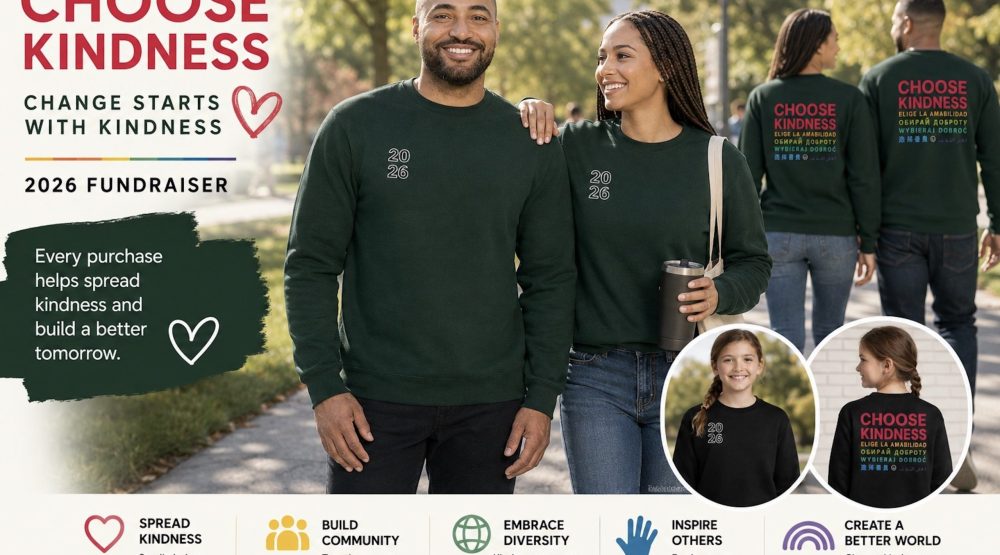
A Gildan Softstyle® T-Shirt, available in black and sport grey, and a Port & Company® Core Fleece Crewneck Sweatshirt, offered in dark green, black and athletic heather.
The products featured the campaign’s Choose Kindness and Cystic Fibrosis messaging, giving supporters merchandise connected directly to the cause.
Rather than creating variety through dozens of different products, the campaign created enough choice through product type and color.
Want something simple and lightweight? Grab the T-shirt.
Want something warmer? Choose the crewneck.
Pick your color. Pick your size. Place your order.
Simple.
The Numbers Tell the Story
The T-shirt was the campaign’s highest-volume item, with:
294 shirts sold, generating $2,131.50 toward the fundraiser before applicable deductions.
The crewneck wasn’t far behind:
222 sweatshirts sold, generating another $1,565.10.
Together, that meant:
516 total garments sold
and
$3,696.60 generated before art and setup charges.
After the applicable $45 art charge and $140 in setup charges, RUSH’s final fundraising total was:
$3,511.60
That’s a substantial result from a store built around only two core products.
Making 516 Orders Manageable
Of course, selling hundreds of garments creates another challenge:
Someone has to manage them.
The RUMC fundraising program was structured to accommodate merchandise being shipped to multiple locations and individual homes, rather than requiring the RUMC team to manually become the distribution center for the entire campaign.
That’s an important part of the PYRA fundraising model.
A successful campaign shouldn’t punish the organization for being successful.
If 50 people participate, the system needs to work.
If 500 people participate, the system still needs to work.
What Made Choose Kindness Successful?
The lesson from this campaign isn’t that every fundraising store should only offer two products.
It’s that every product should have a reason to be there.
RUMC gave supporters two approachable apparel choices connected to a meaningful message.
There wasn’t an endless catalog to scroll through.
There wasn’t a complicated ordering process.
And there wasn’t a giant administrative burden placed on the organization.
Supporters could simply choose what they wanted and participate.
The result was more than 500 garments carrying the campaign’s message.
Simple Can Scale
Fundraising doesn’t have to be complicated to be successful.
In fact, sometimes complication gets in the way.
The RUMC Choose Kindness campaign demonstrated what can happen when a strong cause, wearable merchandise and an easy purchasing experience come together.
Two products.
516 garments sold.
$3,511.60 raised.
And one very good reminder for anyone planning their next merchandise fundraiser:
You don’t need to sell everything. You need to sell the right things.